Aquest article també està disponible en català, aquí.
Let me dust off my personal blog and take you on a journey to Lithuania—or at least to a unique corner of it that dreams of being something more.
I won’t regale you with tales of Aukštaitija’s lakes, the healing waters of Druskininkai, or the simple pleasure of dipping cucumbers in Baltic honey as the sun dips below the horizon on a lazy summer evening, though I could go on about those for hours.
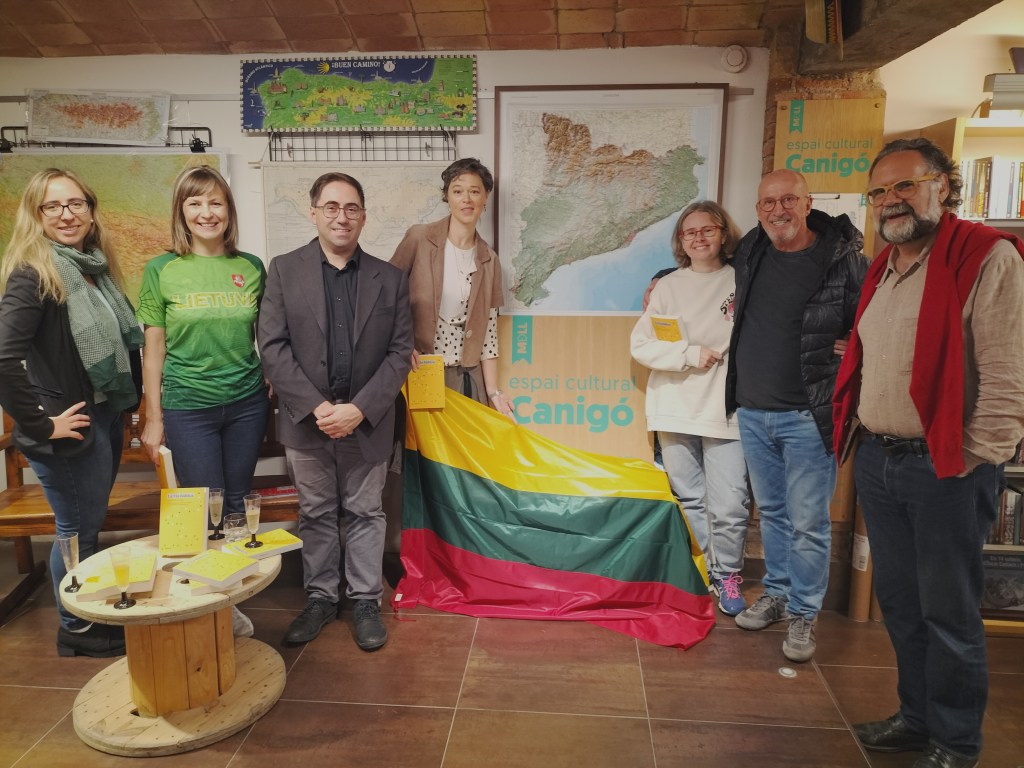
Instead, I want to introduce you to a special neighborhood in Vilnius, Lithuania’s capital. This neighborhood has boldly declared its independence, and its residents are eager to share their story with anyone who will listen. Welcome to Užupis, which translates to “beyond the river.” From the historic heart of Vilnius, Užupis—or rather, the Republic of Užupis—lies across the Vilnelė River. And I, your humble narrator, have the honor of serving as the ambassador of this vibrant republic of artists and free thinkers to Catalonia. In the photo, you’ll see me proudly holding the republic’s flag, featuring a hand with a hole, symbolizing the rejection of bribery.
Please don’t stop reading yet; what I’m about to share may sound whimsical, but it’s rooted in a deep sense of community and creativity.
On December 30, 2013, I was bestowed the honor of becoming the ambassador of Užupis to Catalonia by the artist and foreign minister, Tomas Chepaitis. My path to this distinction was simple yet meaningful: just two months prior, I had translated the Constitution of Užupis into Catalan. This document can be consulted on its website and Facebook page.
Why did I do it? Well, as George Leigh Mallory famously said when asked why he wanted to climb Everest, “Because it’s there.” When a constitution urges you never to give up, it deserves to be translated. Anyone visiting Užupis will notice that its constitution—yes, they have one; they are a republic!—is displayed in many languages on plaques. However, Catalan, Europe’s largest unofficial language at the EU level, was missing. Although the plaque hasn’t been installed due to cost, translating it from English and Spanish in 2013, before AI and advanced translators, was a labor of love. Now, it’s available digitally for all to enjoy in Catalan, with its delightful blend of humor and idealism.
It’s surprising that no one had translated it before 2013. Catalans pride themselves on traveling the world, sharing stories over beers in Barcelona’s Gràcia or Poblenou. Yet, the Baltic states remain largely unexplored by us, and when we do visit, we rarely think to contribute. Perhaps it’s a lingering fear of interacting with strangers.
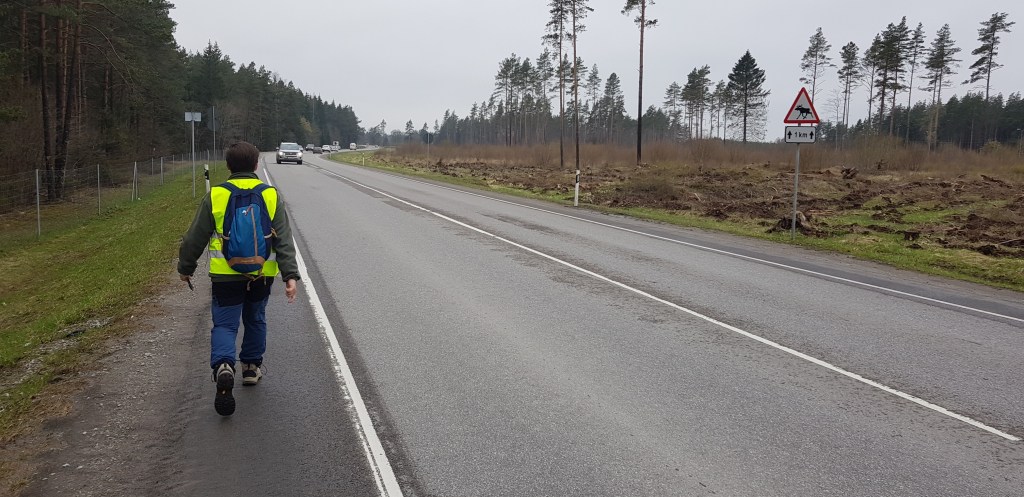
That’s why, in 2022, I published “La Via Bàltica,” detailing my 32 days long walking trip along the Baltic Way in 2018 and interviews with 31 people. My goal was to break down the ignorance barrier we have in Catalonia about the Baltic republics.
But let’s get back to Užupis. While there’s plenty of information online, especially in English and Spanish, Catalan resources are scarce beyond Wikipedia. So, I won’t delve into what to see or do in Užupis today. Instead, I’ll share why Užupis, with its independent spirit, constitution, president, foreign minister, ambassadors, currency, and even an army, embodies what I love about Lithuania.
Here’s why:
In Catalonia, we’re proud of our growing economy, driven by tourism, manufacturing, chemicals, automotive, biomedical, and advanced technology sectors. But as we thrive, we must ask ourselves: What is our purpose? What are our ideals for 2025? In 2017, independence seemed to be our driving force. But now, what’s next?.
All this growth, what is its purpose at a philosophical level or in terms of contribution to Catalans and humanity?
Lithuania, the country that encompasses Užupis, has a clear mission: to stand up for democracy and human rights, even if it means facing commercial challenges (Yes, Taiwan and the PRC in mind). This is Lithuania’s motto, its reason for being. Whether seen as daring or commendable, Lithuania has a purpose beyond economic growth, and that’s something we can all learn from.
Užupis thrives as a vibrant “Republic” within Vilnius. As someone who has visited Lithuania’s capital annually since 2009, I’ve witnessed the city’s transformation alongside the country’s economic boom. By 2025, Vilnius has become a pricey place to live, offering lucrative opportunities but at the expense of some of its former charm. Gone are the days of cozy, bohemian bars where you could enjoy a meal and drinks on a budget. While the culinary scene has undoubtedly evolved, the nostalgia for simpler times lingers—especially when you find yourself paying €20 for eight pieces of sushi, as humorously noted by the Instagram parody account, Soy Vilnius.
As Vilnius evolves and gentrifies, Užupis remains steadfast in its identity: a haven for artists where creativity permeates every corner.
Cross the Vilnelė River, and you’ll find yourself either in the bustling old city or the upscale Paupys neighborhood with its luxurious apartments. Yet, Užupis stands apart, quietly resisting change and maintaining its unique spirit. While not as vibrant as Naples or other southern European cities, its charm is undeniable. Here, the Aristotelian principle thrives, as Tomas Chepaitis, the Foreign Minister of Užupis, notes: no country should exceed 5,000 inhabitants, for the human mind can remember only so many faces. It’s as if Aristotle himself wanders these streets within a European capital..
Just as Lithuania carves out its distinct character on the global stage, Užupis reminds us that we can live with purpose and embrace our freedoms. Its constitution beautifully states that everyone has the right to be happy, but also the right to be unhappy. As we approach April 1st, marking Užupis’ independence declared in 1998, I proclaim: we need more places like Užupis, in Catalonia and worldwide. Long live Užupis!
Deixeu-me que reprengui el meu bloc personal, que tenia ple de pols des de feia anys, parlant-vos de Lituània. O si més no d’un lloc que es troba geogràficament dins de Lituània, tot i que té vocació de ser quelcom diferent.
No us parlaré, tot i que em podria estar estona fent-ho, dels llacs d’Aukštaitija, les aigües minerals de Druskininkai o de com m’agrada menjar cogombre amb mel d’abelles bàltiques mentre es posa el sol en una llarga vesprada d’estiu.
Avui us parlaré d’un barri de Vilnius, la seva capital, que ha declarat la seva independència i els seus residents us ho expliquen a la mínima oportunitat que tenen. El barri en qüestió es diu Užupis, que en lituà vol dir “més enllà del riu”, ja que vist des del centre històric de la ciutat el barri, perdó, a partir d’ara l’anomenarem república, està efectivament passat el riu Vilnelė. I qui us escriu té l’honor de ser l’ambaixador d’aquesta república d’artistes i lliure pensadors a Catalunya. Aquí a la foto em podeu veure aguantant la bandera de la república, una mà amb un forat al mig, la qual representa que no es poden acceptar suborns. No deixeu de llegir encara, el que us explicaré és seriós, encara que no ho sembli en aquest punt.
Va ser el 30 de desembre de 2013 quan l’artista i ministre d’exteriors d’ Užupis, Tomas Chepaitis, em va anomenar ambaixador d’ Užupis a Catalunya. Tot el que vaig fer per ser guardonat amb aquesta distinció va ser traduir dos mesos abans la Constitució d’ Užupis al català, document que es pot consultar a la seva web i la seva pàgina de Facebook.
Per què ho vaig fer? Bé, primer que res, i com va dir George Leigh Mallory quan li preguntaven per què volia pujar l’Everest, “perquè està allí”, i una constitució que en el seu darrer article estableix que no t’has de rendir mai mereix ser traduïda. Qualsevol que visiti Užupis veurà que la seva constitució, (sí, tenen constitució, són una república!) està traduïda i exposada en plaques en multituds d’idiomes diferents però el nostre no hi era. No hi era ni encara hi és, perquè posar la placa té un cost que ningú de moment ha volgut encara esponsoritzar. Però fer l’esforç de traduir-ho des de l’anglès i el castellà, l’any 2013 quan encara no hi havia intel·ligències artificials i els traductors automàtics no estaven tan refinats com ara, a mi no em suposava cap esforç, i així almenys està en versió digital per tal que pugui ser gaudida, en català, els seus articles mig còmics mig idealistes.
Per què ningú abans del 2013 s’havia preocupat de fer-ho és quelcom que no m’ha deixat mai de sorprendre. Els catalans fanfarronegem dient que anem per tot el món, i ens agrada parlar davant d’una cervesa a un bar de Gràcia o del Poblenou, del que hem fet el darrer estiu per Islàndia, Xile o Vietnam. Però als Països Bàltics hi anem poc i en sabem encara poc i si hi anem i veiem manifestacions culturals curioses com les constitucions d’ Užupis no se’ns passa pel cap aportar el nostre granet de sorra, potser per allò del “què diran”, perquè som cosmopolites però també tenim encara una certa por d’interactuar amb humans d’altres terres amb qui tenim zero vincles en comú.
Per això, i ja sense vincles amb les meves tasques vinculades amb Užupis vaig publicar el 2022 el meu llibre “La Via Bàltica” en el qual explico com vaig caminar la Via Bàltica l’any 2018 entrevistant a 31 persones, per ajudar a trencar el mur de desconeixement que des de Catalunya tenim sobre les tres repúbliques bàltiques.
Però no em vull distraure, i us continuo parlant d’ Užupis. Hi ha molts d’articles a internet, sobretot en anglès i en castellà, però no gaires en català, més enllà de la Wikipèdia, que expliquin què és Užupis, per això jo no us distrauré explicant què es pot visitar o fer a Užupis. Almenys avui. Em limitaré a dir per què Užupis i el seu esperit lliure, que els ha portat a declarar la independència, redactar una constitució, nomenar president, ministre d’afers estrangers i ambaixadors, tenir moneda pròpia i fins i tot armada, és per a mi un reflex d’allò que m’agrada de Lituània.
Us explico.
Si m’esteu llegint en català, és bastant probable que ho estigueu fent des de Catalunya. En aquest indret del Mediterrani on visc, que alguns anomenen nació i d’altres simplement regió d’Espanya, però que tothom té clar que és quelcom de singular si més no perquè la Unió Europea ens classifica com un NUTS 2 agrupant dades estadístiques de tot tipus, sabem, per exemple, que cada any rebem més i més turistes estrangers, que venen a gaudir de les nostres platges, la nostra cuina i el nostre llegat artístic i patrimonial. Sabem que la nostra economia està creixent contínuament per damunt de la mitjana europea, en part per ser una potència turística, però també per la nostra especialització en altres àrees de l’economia en relació al nostre entorn immediat, primer va ser la indústria manufacturera, després va venir la química i l’automoció i ara es parla tant del sector biomèdic i tecnologia avançada, aquesta darrera impulsada per futurs fons sobirans locals.
Celebro tot això, és bo que la gent tingui de què viure i pugui fer plans de vida.
Però, de la mateixa manera que els humans ens preguntem sobre el motiu pel qual vivim, a nivell col·lectiu, com a país, com a territori, encara que sigui com a regió, Catalunya també s’hauria de preguntar quin és el seu motto, el lema, els ideals de la Catalunya del 2025. L’any 2017 semblava que tot el que fèiem era perquè anàvem a ser independents. Ara què?
Tot aquest creixement quin objectiu té a nivell filosòfic o d’aportació als catalans i la humanitat?
A Lituània, el país que envolta Užupis, els seus respectius governs al llarg dels darrers anys ens volen fer entendre que Lituània és un petit país que vol fer front als grans països que no respecten la democràcia i els drets humans. Exemples d’això en tenim, per exemple, quan es va permetre l’obertura d’una oficina de Taiwan a Vilnius. I això és el que Lituània transmet al món, aquest és el seu moto pel qual Lituània viu i respira. Alguns diran que és una actitud agosarada que pot portar problemes comercials, d’altres que és molt lloable per part dels lituans, però el cert és que Lituània té un “motiu clar de ser”.
Per la seva part Užupis també respira, com a “República” dins de Vilnius. Jo, com a observador que he visitat almenys un cop cada any la capital de Lituània des de l’any 2009 fins ara, puc constatar l’evolució que ha fet la ciutat en paral·lel al creixement econòmic de Lituània. Vilnius al 2025 s’ha convertit en un lloc car on viure, car en part perquè s’hi poden guanyar molts diners, però tot això a costa de perdre, al meu parer, part de l’ànima que tenia aquesta ciutat, que en el seu dia estava ple de petits bars bohemis on podies beure i menjar per ben poc. Cert, un menjar i beure que segurament no era gaire sofisticat, comparat amb el que hi ha ara, però no havies de pagar, per exemple, 20 EUR per 8 peces de sushi, com recentment n’ha parlat el compte paròdic a Instagram Soy Vilnius.
I mentre la ciutat s’ha anat gentrificant i canviant la seva fisonomia, Užupis s’ha mantingut fidel al que sempre ha sigut, un barri on bona part del seus residents són artistes, i l’art es respira arreu de la república.
Creieu-me, només us cal creuar el riu Vilnelė a un costat, per entrar a la turistificada ciutat antiga, o a l’altre, per entrar al barri de Paupys amb els seus pisos exclusius, entre els més cars de Lituània, per adonar-vos-en que Užupis té caràcter, resisteix, sense fer soroll. Cert, aquí no estem a Nàpols o qualsevol altre lloc del sud d’Europa, però ho notareu. S’ha aplicat aquí, com diu el Tomas Cepaitis, ministre d’Afers Exteriors de la República d’ Užupis, el principi aristotèlic de què cap país ha de tenir més de 5.000 habitants, ja que “la ment humana no pot recordar més de 5.000 persones”. L’esperit d’Aristòtil passejant pels carrers d’una capital de la Unió Europea, ni més ni menys.
De l’exacta mateixa manera que Lituània, sense cobrir els grans titulars de la premsa internacional, té un caràcter propi dins d’Europa i fins i tot a nivell mundial, Užupis està aquí per recordar-nos que es pot viure amb sentit i esprement al màxim la nostra llibertat, ja que, com diu la seva constitució, tothom té dret a ser feliç, però també té dret tothom a ser infeliç. Per tot això, i davant l’imminent celebració del dia 1 d’abril, quan es celebra la proclamació d’independència d’ Užupis, declarada l’any 1998, vull proclamar des d’aquí que ens calen més Užupis, a Catalunya i arreu del món. Visca Užupis!
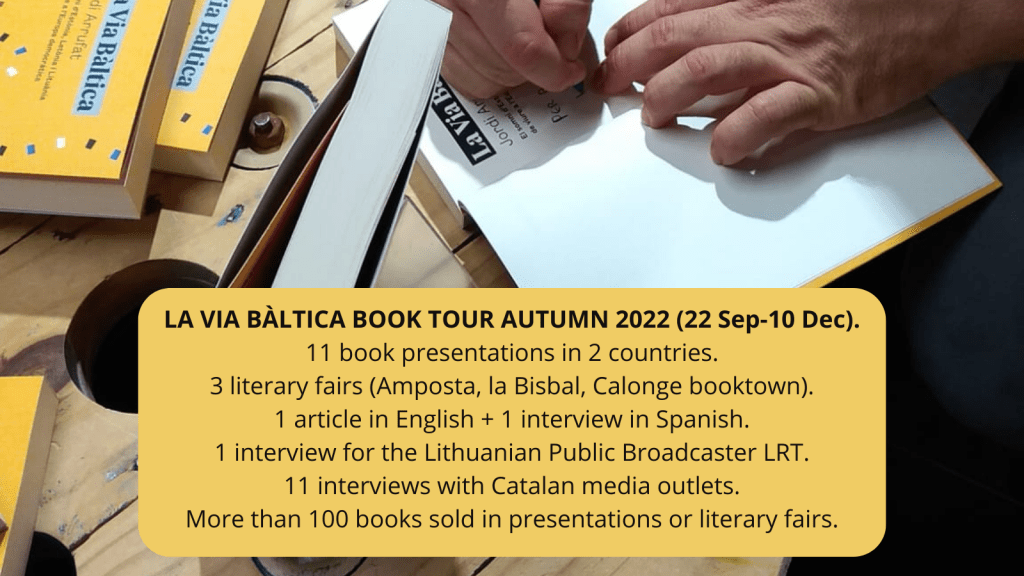
It has been a long journey throughout Catalonia and Andorra, not only in the geographical sense, but also because of all the learning involved in a field – writing, publishing and marketing a book – which was completely unknown to me.
All in all I have participated in eleven book presentations and in three literary fairs. Then add on 11 interviews with different media during this period of time, and a promotional article previously written by me in English.
At the end of this post, in the annex, I detail the list of places where I have presented the book and the media I have given interviews with, as well as other media that have published news about my book.
From all of these experiences, I have learned the following lessons that I wish to share with you.
About writing a book.
1. Do you want to write a non-fiction book? Make sure no one has written anything like this before.
Writing a book takes a lot of work, I spent two long years writing mine. So it is important that this work is publishable and has readers.
Write about a topic you are passionate about
Most important advice
So my first advice is: find that niche market of potential readers willing to read your book. As a general rule you will find this niche if two important conditions are met:
a. Write about a topic you are passionate about
b. Write about a topic on which very little has been written
I am a passionate about travel, culture and outdoors in the Baltic States. As there is very little written in Catalan about that part of Europe I wrote my book about my experience walking the Baltic Way 30 years on.
If you have to write, at least have fun doing so, and ensure your book generates some interest with the second condition. Then the readers will come.
2. No more than 80,000 words.
A book will rarely be longer than 300 pages. If you reach this limit it means that you really have a lot to say and you will spend a lot of time working on the book. In any case, never exceed 80,000 words, because then you are going beyond those 300 pages, and when you submit the draft to the publishing house, they will probably tell you to think about making cuts, as actually happened to me.
3. Set a calendar for writing. Record the time spent and words written each day.
Writing a long book is a very methodical job, if you want to finish it in a certain time and not to raise the white flag in the middle of the job, my advice is to set a calendar with the days you can write and the hours you can devote to your book. And every day you type something, then write down how many words you’ve written and the effective time spent, so you can keep track to see if you’re sticking to your plan or not.
About finding a publishing house.
4. Check the publishing market (if possible, before writing anything).
In order to ensure that your book will have sufficient interest for publishers, try to find out what the publishing market is like and who might be interested in a book like yours.
Check out the calendar of book fairs in your city or country. All the publishers will be there grouped together, so you can go and talk to them in person. No one will promise you anything but at least you will know what you have to write for there to be a certain degree of probability that they will pay attention to you.
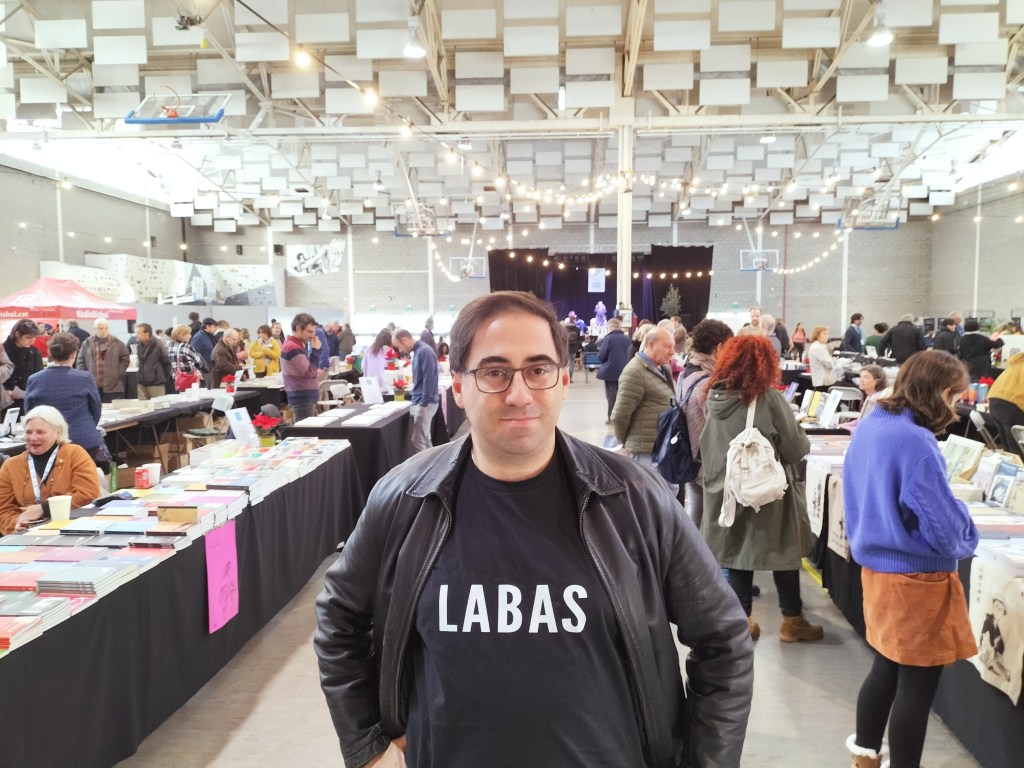
Publishing fairs such as the one pictured are ideal places to research the market before writing
And keep in mind that, as a first-time writer, it is most likely that no one will give you a definitive yes without seeing the draft almost finished.
5. Consider self-publishing.
The drawbacks? No one will check your writing style, and you will have to pay for the publication of each book out of your own pocket, although these are usually not very high amounts, and, above all, your book will hardly be present in any bookstores.
About marketing a book.
6. Less is more.
Quite probably, once the book is published, and with all the efforts devoted to achieving this moment, you will be thinking about making as many presentations as possible.
This is a mistake.
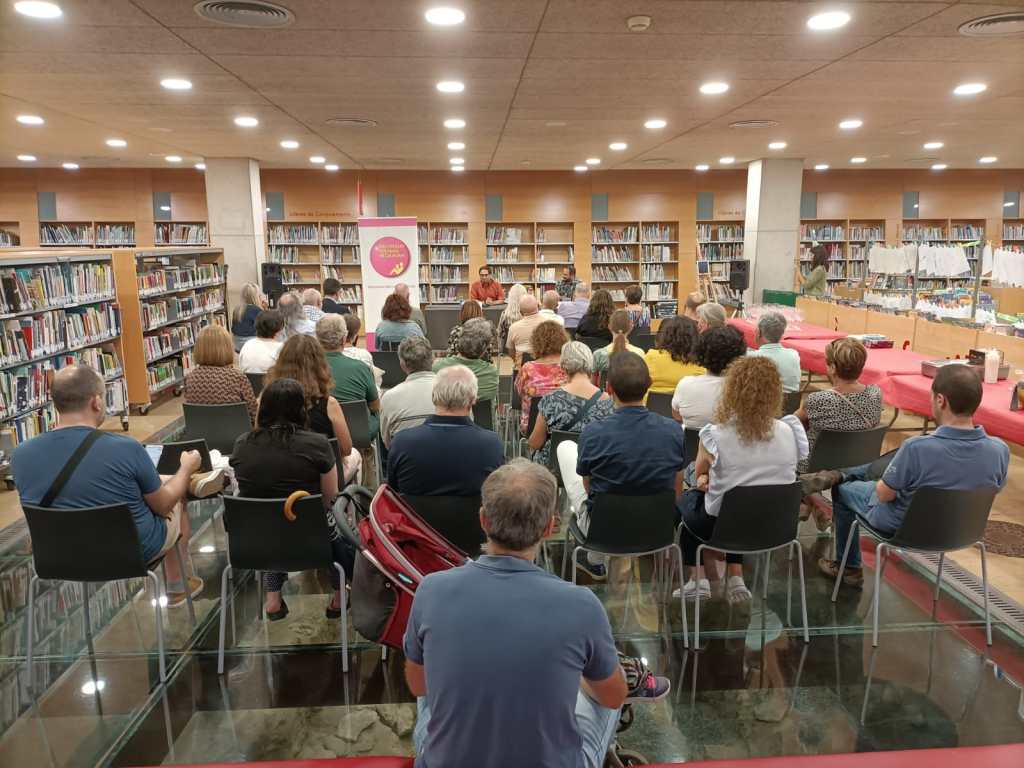
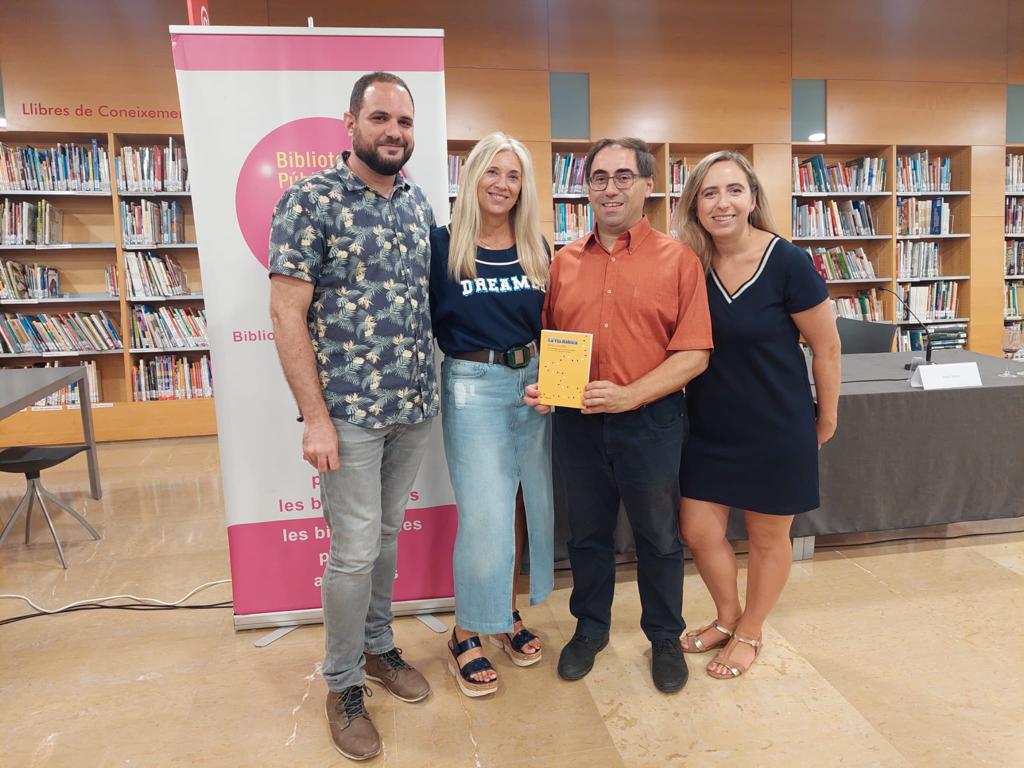
Book presentation in Tortosa library, 23 September 2022. Not all book presentations are as successful as this one.
The book market throughout Europe is increasingly limited. In most places where you go with your book, you can consider yourself lucky if more than five people show up. You must also bear in mind that if you have already made a presentation in a city, no matter how big it is (I am thinking of Barcelona, for example), a second one in the same city will not generate anywhere near as much expectation as the first one. Of course, make sure that everyone you know in the city is aware of your presentation well in advance.
7. Choose the places where you will present your book carefully.
So, you already know that you have to go to very few places, but which ones? The most important thing is to start in the place where most of your friends and family live, and then go wherever you think you will also have a fair number of people interested. Don’t forget, they will surely go to the presentation more because of you than because of the content of the book itself.
My presentation in Vic was attended mostly by Lithuanians living in or around that Catalan city.
If you want to take risks and go to places where you don’t know many people, then go to those bookstores that specialize in the specific genre of your book. In my case I visited as many travel bookstores as I could. But even in this case make sure that wherever you go there will be at least one person who knows you!
8. You won’t get rich (probably).
Unless your non-fiction book aims to solve a widespread problem under the title “How to regrow your hair when bald?”, then I am afraid to say the volume of books you sell will be limited. So if you write a book, do it because you enjoy writing or because you need it for your CV or for whatever other reason, but not for the money. This is why you have to be grateful to the people coming to your presentations. Consider bringing some drinks and cookies to offer them…if they wait patiently until the end of your talk.
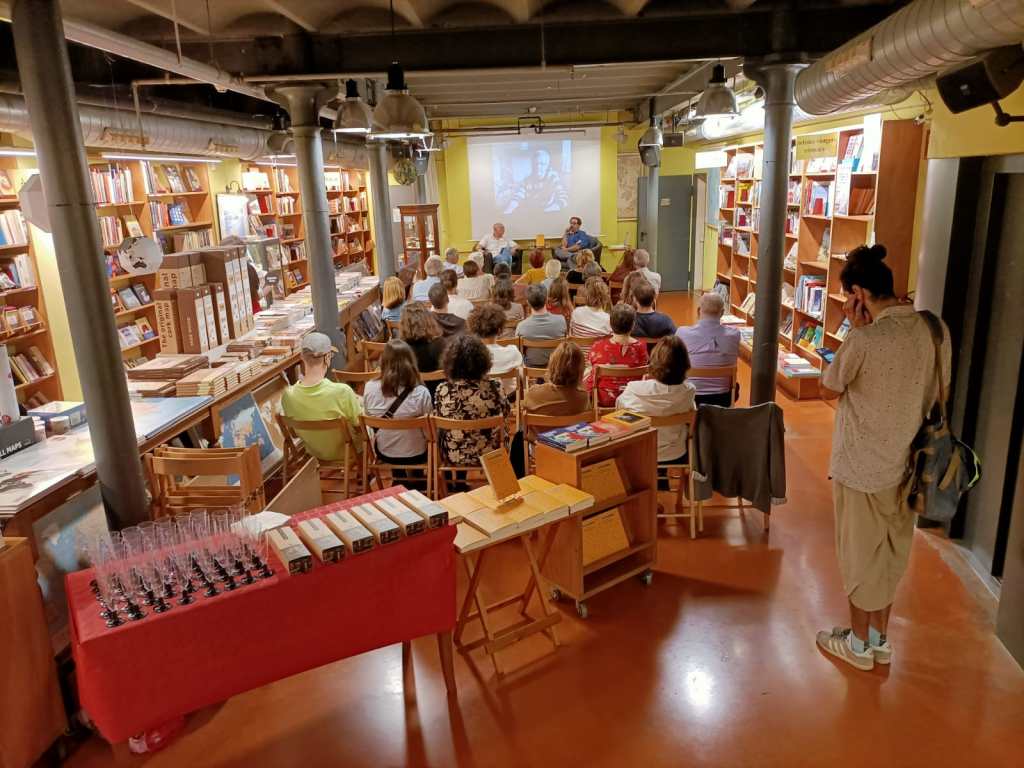
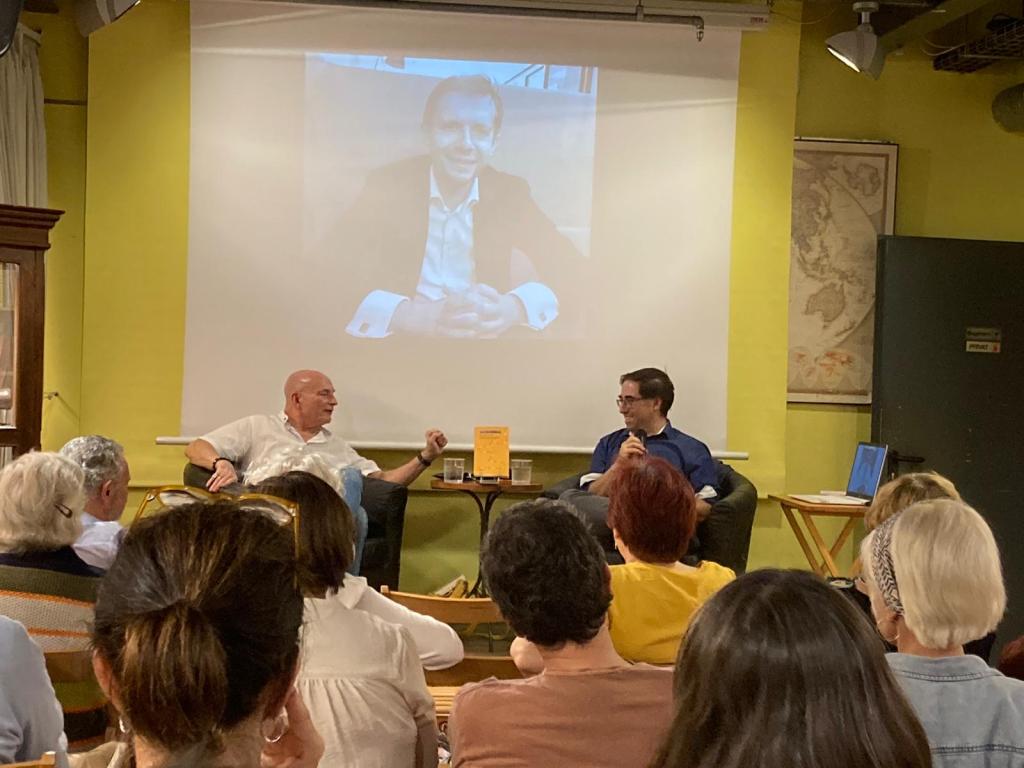
Everything ready for the “after presentation” in Altaïr bookstore, Barcelona.
9. Look for local presenters.
Find a local presenter to help present your book, no matter what, wherever you go. It makes a difference. He or she will help you break the ice in front of the audience and will also help you to attract other local people to your event. When I went to places without a local presenter I could certainly see the difference. Be especially kind to them.
Danish journalist Helle Kettner, a long time resident in Tarragona city, was my presenter there.
10. Talk to the press.
Even if the publisher has secured interviews with the press for you, it is possible that they do not know journalists in all the cities where you are going to present your book. In this case you will have to make the contacts with the local press yourself. Prepare a short press release with an attention-grabbing title and subtitle. And whenever you can, point out what specific interest your book has for the local inhabitants of the city where you are going to organise an event. The note or interview will probably not be published before the presentation, but it will help you promote the book and keep interest alive for longer than originally planned.
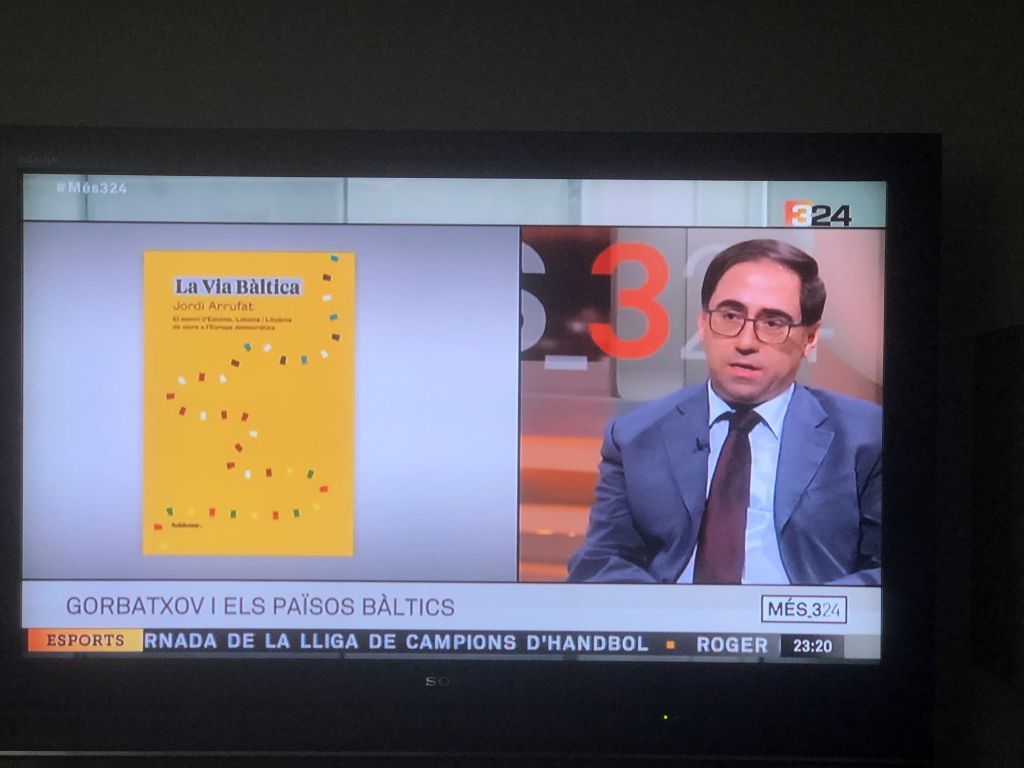
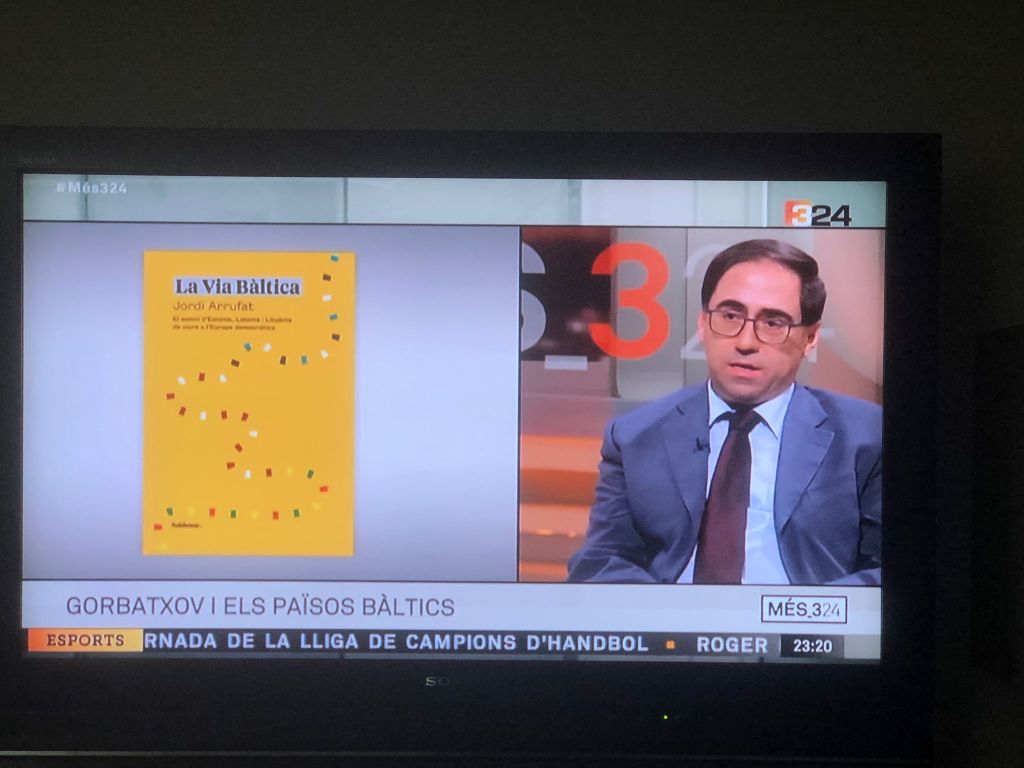
Never miss a chance to talk to the media about your book. Here I am talking to the Catalan Public Broadcaster.
Bonus point 11. Be active on social media.
I will not explain here how to use social media efficiently as we all know, thanks to Elon Musk, that what is valid today might change tomorrow. But I do advise you to be on as many kinds of social media as possible. The friends and family that are on Instagram are certainly not the same ones that you have on Facebook, whereas being on Twitter, for now, still gives you a lot of visibility in the media world. So think about dusting off your profiles or setting up new ones.
Conclusion.
A book takes a lot of work, so it’s important to be sure that you can publish it and, last but not least, that as many people as possible will read it afterwards. I hope that my advice serves as an inspiration to future writers. Do not be discouraged because, in spite of everything, it is a very enriching experience.
Annex 1. Presentations and literary fairs.
23 September 2022. Marcel·lí Domingo Library, Tortosa. Presenter: Oriol Gracià.
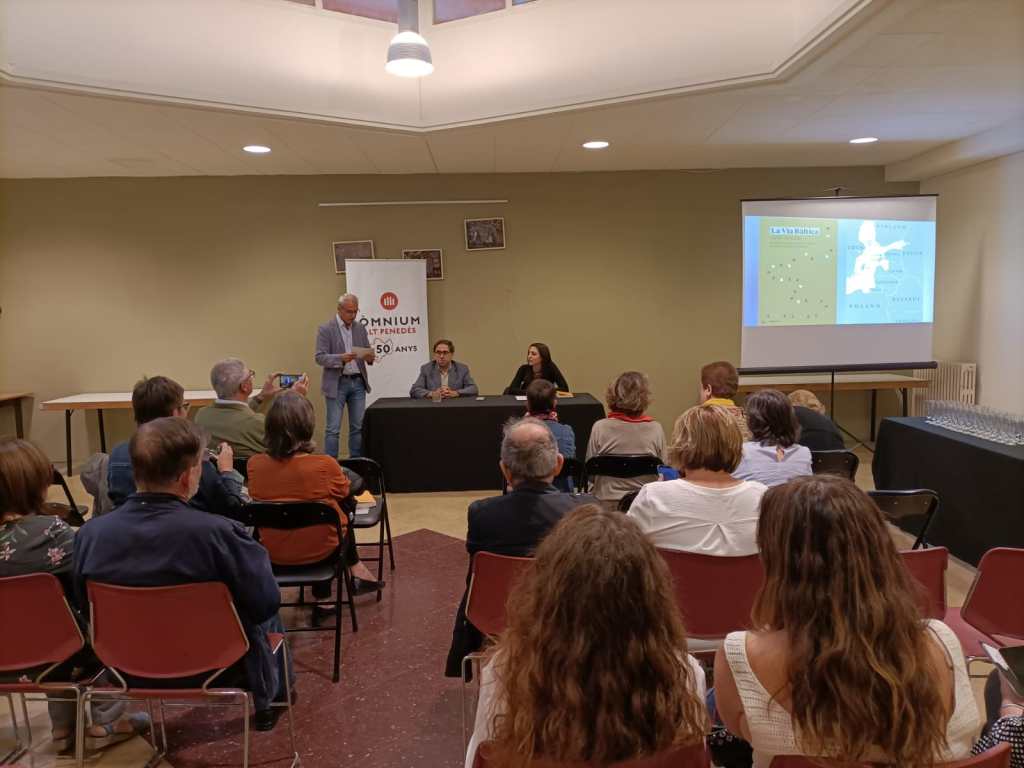
30 September 2022. L’Agrícol in Vilafranca del Penedès, invited by Òmnium Cultural Alt Penedès. Presenter: Aleida Bertran.
1 October 2022. Campredó city council. Presenter:Emigdi Subirats.
6 October 2022. Altaïr bookstore in Barcelona. Presenter: Llibert Ferri.
13 October 2022. Civic Center Barri Vell in Girona, Ulyssus bookstore. Presenter: Josep Maria Iglesias.
20 October 2022. Muntanya de llibres bookstore in Vic.
22 October 2022. XVII Lletres ebrenques literary fair, Amposta library.
26 October 2022. Cambrils City Council Cultural Center. Presenter: Lluís Rovira.
29 October 2022. Bassa bookstore in Móra d’Ebre. Presenter: Andreu Carranza.
18 November 2022. Guaix bookstore in Amposta. Presenter: Alba Sancho.
22 November 2022. La Capona bookstore in Tarragona. Presenter: Helle Kettner.
25 November 2022. La Trenca bookstore in Andorra la Vella (Andorra). Presenter: Yvan Lara.
4 December 2022. Indilletres literary fair in la Bisbal d’Empordà.
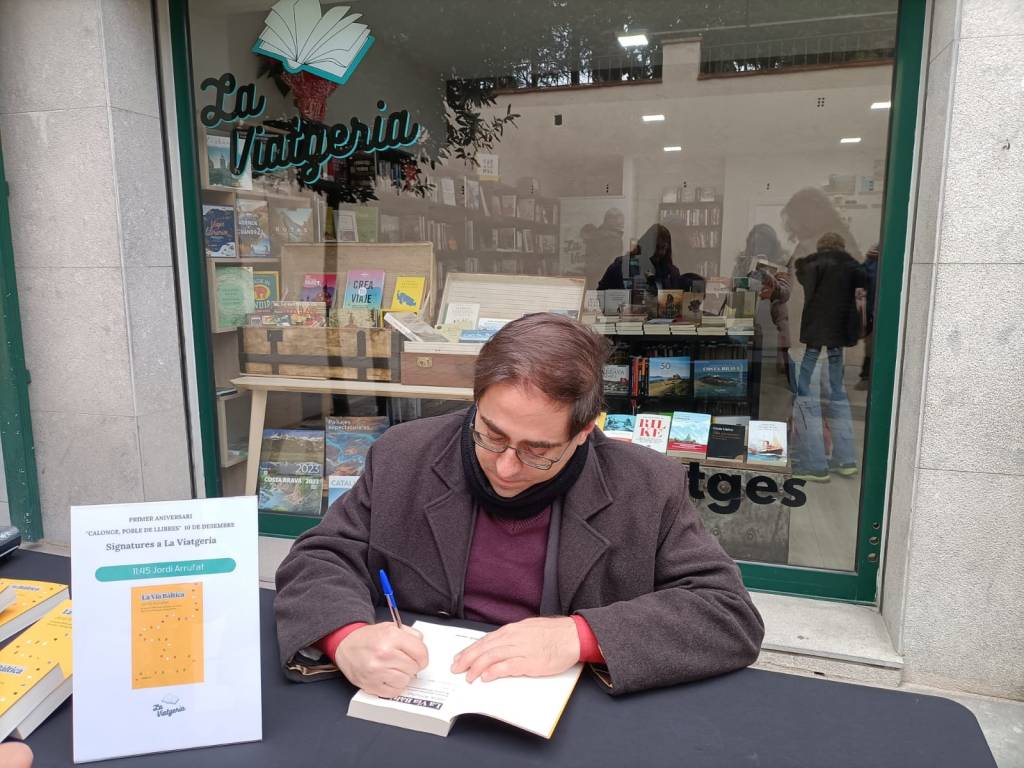
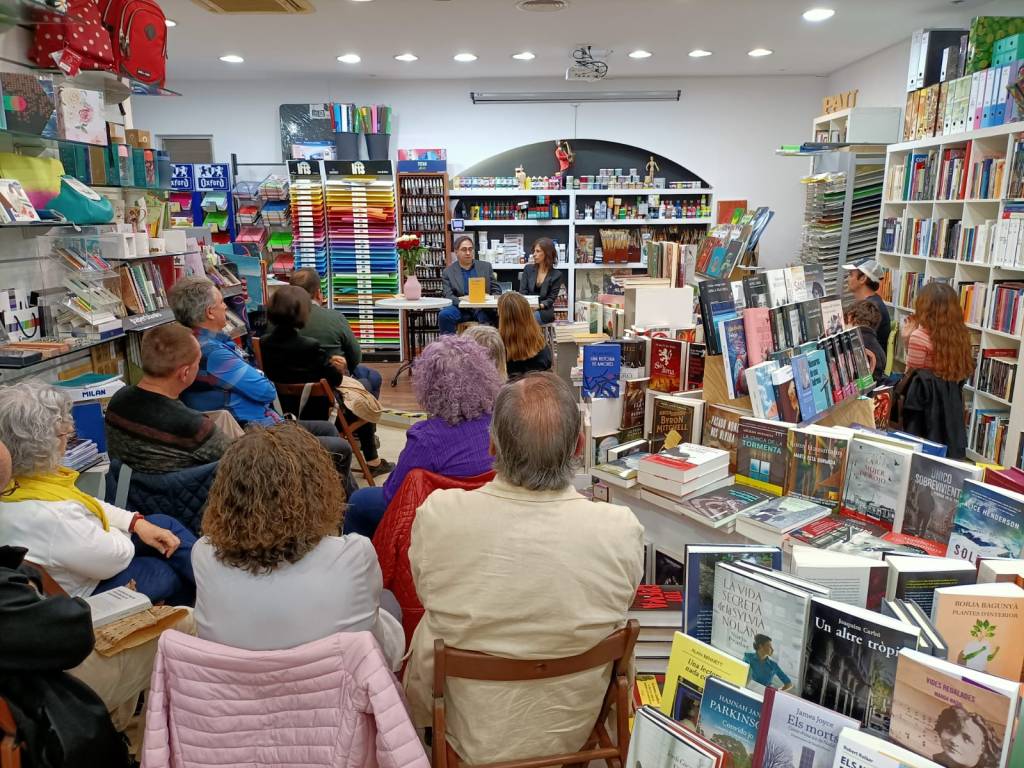
10 December 2022. La Viatgeria bookstore in Calonge Booktown first anniversary.
Presentació inicial el 23 de setembre a la biblioteca Marcel·lí Domingo de Tortosa
Ha estat un viatge llarg per tot Catalunya i Andorra, no només en el sentit geogràfic, sinó també pels aprenentatges que m’emporto, ja que, al fet d’organitzar presentacions de llibres, calia sumar-hi els anys previs redactant el llibre i en paral·lel buscant una editorial interessada en publicar el meu document, una tasca de la qual al final se n’ha ocupat l’editorial Saldonar en el meu cas.
Jornades de les lletres ebrenques a Amposta, una de les tres fires literàries on he participat.
En total he participat en onze presentacions de llibre on jo era l’únic autor que hi participava, i en tres fires literàries, on presentava el llibre juntament amb altres autors. I a això cal sumar-hi 11 entrevistes en diferents mitjans de comunicació durant aquest període de temps, i un article promocional escrit per mi prèviament en anglès.
Cambrils és un dels 11 llocs on he presentat el llibre.
Al final d’aquesta publicació, a l’annex, detallo, la relació de llocs on he presentat i els mitjans pels quals he donat entrevistes, així com també altres mitjans que han publicat notícies sobre el meu llibre. Tot plegat ho explico per contextualitzar un camí que ha estat llarg, però també intens, sobretot durant aquests dos mesos i dues setmanes. D’aquest camí en trec els següents ensenyaments que comparteixo amb tots vosaltres.
Sobre el procés d’escriure el llibre
1. Vols escriure un llibre de no ficció? Dos consells clau.
Escriure un llibre dona molta feina. Jo m’he estat dos anys llargs, des del 2019 al 2021, redactant el meu, a més del temps que he dedicat a recollir la informació amb el qual he alimentat el llibre, ja sigui sobre el terreny, visitant els països bàltics, o bé investigant amb fonts obertes per internet i consultant altres llibres.
Escriviu sobre una temàtica que us apassiona
Primer consell a l’hora de decidir escriure un llibre.
És important que aquesta feina es pugui publicar i tingui lectors. Crec que els trobareu si es donen dues condicions importants:
Escriviu sobre una temàtica que us apassiona
Escriviu sobre una temàtica sobre el qual hi ha molt poc escrit.
Els països bàltics, una zona d’Europa que m’apassiona i sobre la qual hi ha molt poc escrit en català.
Després ja trobareu els lectors, però si us heu de posar a escriure almenys passeu-vos-ho bé amb la primera condició, i assegureu-vos un cert interès amb la segona. Es pot escriure sobre una temàtica de la qual escriu tothom, com, per exemple, la invasió russa d’Ucraïna? És clar, però penseu que us haureu de donar pressa ja que és un tema d’actualitat i que haureu de destacar aportant quelcom que els altres escriptors no hagin dit.
2. No més de 80.000 paraules.
Un llibre molt excepcionalment superarà les 300 pàgines, si arribeu a aquest límit és que realment teniu molt a explicar i aneu a dedicar-hi molt de temps.
Si sou un escriptor de ficció reconegut com l’Andreu Carranza us permetran passar de les 300 pàgines, però si comenceu…difícil.
En tot cas no supereu mai les 80.000 paraules ja que llavors us esteu anant més enllà d’aquestes 300 pàgines, i quan presenteu el manuscrit a l’editor segurament us dirà que heu de pensar en retallar, com de fet em va passar a mi ja que desconeixia aquest límit.
3. Marca’t un calendari per escriure. Enregistra el temps dedicat i les paraules escrites cada dia.
Escriure un llibre llarg és una feina molt metòdica. Si vols acabar en un temps determinat i que no s’allargui massa ni es quedi al calaix el meu consell és que et fixis un calendari dels dies que podràs escriure i les hores que hi podràs dedicar.
Important no deixar mai d’escriure de forma metòdica els dies marcats per poder arribar a l’objectiu d’acabar un llibre.
I cada dia anotis les paraules que has escrit i el temps efectiu dedicat, per tant de fer un seguiment per veure si estàs seguint el ritme o no. I si és que no llavors hauràs de detectar què t’impedeix avançar.
Sobre el procés de trobar una editorial que et publiqui
4. Investiga el mercat editorial.
Molts escriptors novells no tenim una editorial que coneguem a la qual oferir els nostres manuscrits per publicar. I enviar manuscrits a editorials, sense conèixer a ningú allí pot ser molt frustrant, et poden respondre amb negatives al cap d’unes setmanes, et poden demanar que facis un crowdfunding per finançar el llibre (Sí! Això passa!) o, el que passa més sovint, et poden ignorar i no respondre mai.
Fires d’editorials com Indilletres (a la foto) són llocs idonis per investigar el mercat abans d’escriure.
Per tal d’assegurar que el teu llibre tindrà un mínim interès intenta esbrinar quin és el mercat editorial i a qui pot interessar un llibre com el teu, esbrina el calendari de fires de llibres al teu territori, allí estan totes les editorials agrupades i podràs parlar amb els editors cara a cara. Ningú et prometrà res, però almenys sabràs què has d’escriure per tenir una certa probabilitat que et facin cas. I tingues present que molt probablement, com a escriptor novell, ningú et donarà un sí definitiu sense veure el manuscrit molt avançat.
5. Valora els pros i contres d’autopublicar-te.
Si publicar amb una editorial sembla impossible, sempre tens l’opció d’autopublicar-te, almenys podràs regalar el teu llibre a qui consideris que li pot agradar llegir-te.
Els inconvenients? Ningú et revisarà l’estil amb el que has escrit i hauràs de pagar per la publicació de cada llibre, de la teva butxaca, tot i que no solen ser imports molt elevats.
Autopublicant-te pots arribar a entorns propers però les teves possibilitats promocionals es disparen amb una editorial. A la foto, amb l’Emigdi Subirats de l’ajuntament de Campredó.
Què t’ofereix, a més, publicar amb una editorial? Arribaràs a les llibreries, tot i que durant un període de temps limitat, que pot anar d’un parell de setmanes a uns quants mesos. I si l’editorial té bons contactes amb la premsa aconseguiràs difusió mediàtica per promocionar el teu llibre.
Sobre la presentació del llibre
6. Menys és més.
Un cop publicat el llibre, i amb la feina que t’haurà donat, estaràs pensant en fer tantes presentacions com sigui possible.
Error.
Pensa que el mercat del llibre, a Catalunya i arreu d’Europa, està cada cop més limitat. En general es llegeix menys i als joves, crescuts en entorns digitals, difícilment els interessarà el teu producte. Tot plegat farà que en molts llocs on vagis ben just es presenten unes cinc persones, i a vegades ni això. També cal tenir present que si has fet ja una presentació en una ciutat, per molt gran que sigui, penso en Barcelona, segurament una segona no et generarà ni de bon tros la mateixa expectació que la primera.
Has presentat a Barcelona (Altaïr a la foto, amb el periodista Llibert Ferri) i has tingut molt de públic? Ningú assegura que en tornis a tenir si fas una presentació a una altra llibreria.
Això sí, assegura’t que tothom que coneguis en aquella ciutat on presentaràs està assabentat de la teva presentació i amb molta antelació.
7. Tria bé els llocs on vas.
Ja tens clar que has d’anar a pocs llocs, però quins? El més important és començar per aquell lloc on viuen la major part dels teus amics i familiars, que en el meu cas és Tortosa, i després anar allà on creus que tindràs també un bon gruix de gent interessada, que, no ho oblidis, segurament aniran més pel fet que et coneixen que pel mateix contingut del llibre.
A Vilafranca del Penedès vaig anar de la mà d’Omnium Cultural Alt Penedès i va ser un encert. No hauria estat el mateix sense ells.
Si vols arriscar i anar a llocs on coneixes poca gent, ves llavors a aquelles llibreries especialitzades en el gènere concret del teu llibre. En el meu cas he visitat tantes llibreries de viatges com m’ha estat possible. Però fins i tot en aquest cas assegura’t que allà on vas hi haurà almenys una persona que et coneix i que vindrà de públic!
A Girona em vaig assegurar que les poques persones que conec a la ciutat vingussin a la presentació. I menys mal que ho vaig fer!
8. No et faràs ric (probablement), per tant sigues generós amb el públic.
En el gènere de no ficció, i sent algú sense un nom mediàtic treballat al darrera, a no ser que el teu llibre respongui a una problemàtica estil “Com evitar quedar-se calb sense gastar-se diners?”, segurament el volum de llibres que vendràs serà molt limitat.
I si tenim present els baixos marges que reben els escriptors per cada llibre venut llavors en conclusió traiem que difícilment et faràs ric.
A la presentació de sortida a Tortosa vam assegurar-nos que hi hagués vi i tapes per a tots els assistents.
Per tant, si fas un llibre, que sigui per altres motius, com per exemple, generar currículum, però oblida’t dels ingressos, si venen benvinguts seran.
Per tot això, sàpigues ser agraït amb tota la gent que ve a les teues presentacions, portar cava o un termo de cafè o de té si els teus seguidors són abstemis, no només serà benvingut, sinó que donarà peu a què molts es quedin una estona després de la teva presentació i així compartir visions amb tots ells de forma més personalitzada.
9. Busca presentadors.
Anar acompanyat, allà on vagis, d’un presentador local fa una gran diferència. T’ajudarà a trencar el gel de la conversa amb el públic i pel fet de ser d’aquella ciutat o poble on vas et portarà públic local.
La Helle Kettner va ser la meua presentadora a Tarragona, quin gran encert!
Si vas sol a fer una presentació veuràs ràpidament la diferència amb aquest aspecte.
Yvan Lara va ser el meu presentador quan vaig anar a Andorra la Vella, i va ser un gran encert poder compartir l’estona amb ell.
Sigues especialment generós amb ells. Prova de presentar tu un llibre (jo ho he fet), i veuràs que no és tan fàcil.
10. Parla amb la premsa
Encara que l’editorial t’hagi aconseguit entrevistes amb la premsa és possible que no conegui periodistes a totes les ciutats on vas a presentar el teu llibre. En aquest cas hauràs de fer tu els contactes amb la premsa local.
Prepara una nota de premsa breu amb un títol i subtítol que atreguin l’atenció, i no escriguis més d’una plana.
Sortir a la premsa potser no et porta públic a presentacions però mantindrà l’interès viu pel llibre durant més temps del previst.
I sempre que puguis remarca quin interès específic té el teu llibre per al públic de la ciutat o territori on vas a presentar.
Segurament la nota o l’entrevista no es publicaran abans de la presentació, però t’ajudarà a promocionar el llibre i mantenir l’interès viu durant més temps del previst inicialment.
Bonus point: Activa’t a les xarxes socials.
Les xarxes socials seran les vostres aliades si no sou escriptors coneguts.
No us explicaré aquí com usar-les de forma eficient, ja que amb l’arribada de l’Elon Musk a Twitter ja veieu com aquest és un món canviant, però sí que us aconsello que estigueu a tantes xarxes socials com us sigui possible.
Gràcies a la meva presència a xarxes socials la llibreria La Viatgeria de Calonge va saber de mí i jo vaig saber també qui eren.
Els amics i familiars que estan a Instagram segurament no són els mateixos que teniu a Facebook, i estar a Twitter dona molta visibilitat encara al món mediàtic. O sigui que aneu pensant en treure la pols als perfils o fer-vos-en de nous.
Conclusió
Un llibre dona molta feina, i per tant és important estar segur que el podràs publicar i, no menys important, que tanta gent com sigui possible el llegirà després. Espero que els meus consells serveixin d’inspiració a futurs escriptors, no us desanimeu malgrat tot, és una experiència molt enriquidora.
Presentació a l’Espai Guaix d’Amposta amb l’Alba Sancho del Col·legi de Professionals de la Ciència Política i la Sociologia de Catalunya.
Annex 1 – Presentacions i fires literàries
23 de setembre de 2022. Biblioteca Marcel·lí Domingo de Tortosa, presentat per l’Oriol Gracià. Llibres de La 2 de Viladrich.
30 de setembre de 2022. L’Agrícol de Vilafranca del Penedès, convidat per Òmnium Cultural Alt Penedès, presentat per l’Aleida Bertran. Llibres de l’Odissea.
1 d’octubre de 2022. Ajuntament de Campredó, presentat per l’Emigdi Subirats. Llibres de l’Estanc Mercè Machí.
6 d’octubre de 2022. Llibreria Altaïr de Barcelona, presentat pel Llibert Ferri.
13 d’octubre de 2022. Centre Cívic Barri Vell de Girona, presentat pel Josep Maria Iglesias. Llibres de la llibreria Ulyssus.
20 d’octubre de 2022. Muntanya de llibres a Vic.
22 d’octubre de 2022. XVII jornades de lletres ebrenques a la biblioteca d’Amposta. Llibres de l’Espai Guaix.
26 d’octubre de 2022. Centre cultural de l’ajuntament de Cambrils, presentat pel Lluís Rovira. Llibres de Carlin.
29 d’octubre de 2022. Llibreria Bassa de Móra d’Ebre, presentat per l’Andreu Carranza.
18 de novembre de 2022. Espai Guaix d’Amposta, presentat per l’Alba Sancho.
22 de novembre de 2022. Llibreria la Capona de Tarragona, presentat per la Helle Kettner.
25 de novembre de 2022. Llibreria la Trenca d’Andorra la Vella, presentat per l’Yvan Lara.
4 de desembre de 2022. Fira d’editors independents Indilletres a la Bisbal d’Empordà.
10 de desembre de 2022. Llibreria La Viatgeria en el marc del primer aniversari de Calonge Poble de Llibres.
Jordi Arrufat: “La Via Bàltica i la Via Catalana tenen en comú que van donar visibilitat al desig d’independència”. Radio Cambrils. 26 d’octubre de 2022.
Als que ens agrada viatjar, davant la perspectiva d’haver de passar un estiu de “staycation”, a hores d’ara ja hem passat una bona estona d’aquestes llargues hores confinats a casa fent una repassada mental aquests dies dels llocs que coneixem i que no podem esperar més a poder-hi tornar. No és menys cert que els perfils d’Instagram i Facebook ben cuidats d’aquests llocs, recordant-nos sovint que ho estan preparant tot, també ajuden.
I ara que les Terres de l’Ebre no fan més que sortir al mapa de Catalunya com un dels llocs de Catalunya on la Covid19 ha tingut menys incidencia, segur que més d’algú està fent ja plans per venir. Pensant amb aquests possibles futurs visitants, si busqueu idees d’on es pot anar, aquí teniu els meus top 5 de les Terres de l’Ebre, sense cap ordre de preferència en particular. No són llocs del tot desconeguts, però sí que no solen sortir a les principals guies de viatge. I no són tots els que conec, però sí els cinc llocs on gairebé segur que hi aniré tan aviat com obrin i em deixin anar.
El càmping Port Massaluca. “El darrer racó de les Terres de l’Ebre”, és així com m’agrada anomenar aquest càmping situat en l’únic punt de la Terra Alta que toca el riu Ebre, tot i que tècnicament és el darrer tram del Matarranya abans d’arribar al pantà de Riba-Roja del riu Ebre. Per a mi és com un tros del sud de França (El Tarn, la Dordonya) trasplantat a les Terres de l’Ebre.
Arribar-hi és part de l’aventura, tot i estar al terme de la Pobla de Massaluca, està més a prop de Faió, a la franja aragonesa, que de cap altre lloc. I, de fet, el càmping està més a prop de Lleida que de Tortosa, és per això potser que és un lloc tan poc conegut però tan apreciat pels que l’hem visitat i gaudit dels seus encants. De fet, molts dels seus clients solen ser pescadors vinguts des de tota Europa per pescar els silurs que viuen sota les aigües del pantà.
Us podeu quedar a dormir allà, que per això és un càmping, però per a mi el seu encant està en el seu bar situat just al costat de l’aigua del riu on t’hi pots capbussar directament des de la seva terrassa. Si no sou prou valents també us llogaran allà mateix una piragua per descobrir l’entorn des de dalt de l’aigua.
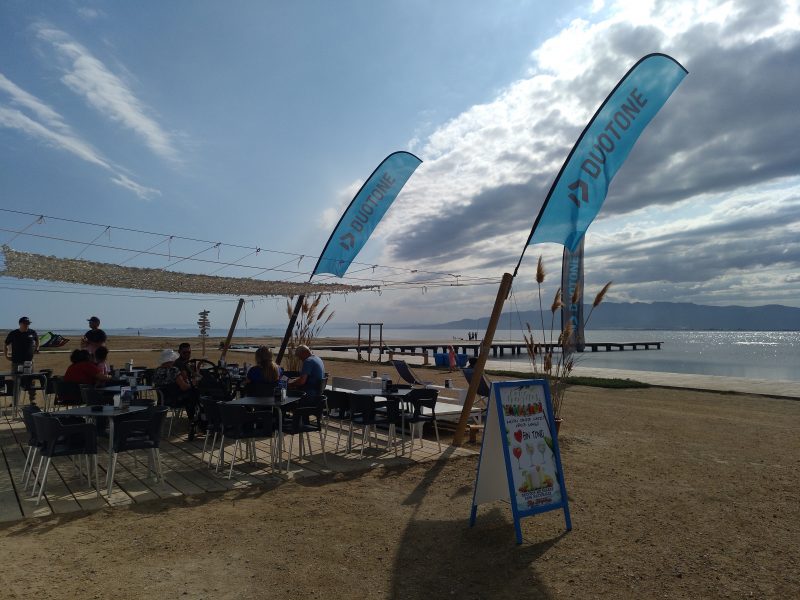
El xiringuito dels kitesurfers a la platja del Trabucador.Desconec com està la platja del Trabucador després del temporal Glòria, però si aquest estiu es pot arribar fins l’entrada de la gran llengua de sorra de l’extrem meridional del Delta de l’Ebre no tingueu cap dubte que aquest és un dels llocs on a mi m’hi trobareu sovint. On podem viatjar mentalment des d’aquí? Sense cap mena de dubte a Tarifa o qualsevol altra platja de Cadis.
Gestionat per una empresa d’esports aquàtics, aquest lloc es coneix com a “The Looper Bar”, tot i que, pel que sembla, enguany han fet una operació de rebranding i passaran a dir-se “Flamingo Beach Bar”.
Tinc ganes d’anar-hi, perquè, independentment del bon rotllo que s’hi respira, aquest lloc, per la seva orientació geogràfica cap a l’oest, és un dels pocs de Catalunya on pots veure la posta de sol amb el reflexe del mateix sobre el mar mentre es posa darrera la serra del Montsià.
La Subhasta de l’Estany a l’Ametlla de Mar. Com és que aquest racó de Mediterrani encara no ha sortit a cap dels anuncis estiuencs d’una famosa marca cervesera? Al costat de l’antic port natural de la Cala es troba la delegació del restaurant la Subhasta de l’Ametlla de Mar.
El fil musical és de lo milloret que sentireu per les Terres de l’Ebre a l’estiu, està entre uns pins i el mar fora del nucli urbà, la decoració et recorda als xiringuitos més autèntics de Formentera i la cuina va des del tradicional suquet, arròs i sardines a la brasa fins les diferents maneres que es pot cuinar el producte estrella de l’Ametlla de Mar, la tonyina roja.
Mediterrani a tope, un lloc on t’hi podries passar tot l’estiu si no fos perquè els altres quatre llocs d’aquesta llista també s’ho valen.
El Buda Mar Beach Club a la platja de Migjorn del Delta de l’Ebre. “La NATURA en majúscules” és la millor manera de definir aquest racó de món. Arribar fins aquí, com a d’altres indrets de la llista, és part del seu al·licient. Si els altres llocs us porten a França, Tarifa o Formentera aquí esteu 100% a un lloc incomparable que es diu “Delta de l’Ebre”.
Situat al costat d’una sortida del riu Ebre al mar Mediterrani, ara tancada per una llengua de sorra que us permet accedir a l’illa de Buda, illa que dóna nom al bar, per arribar fins aquí haureu de passar pel mig d’infinits camps d’arròs verdejant a banda i banda fins que arribareu a una platja salvatge on el Buda Mar és l’únic rastre de civilització a molts quilòmetres a la rodona.
Ni cases, ni urbanitzacions, ni wifi, només unes quantes furgos d’aventurers vinguts de tota Europa buscant el mateix que vosaltres, sol, mar, vent, i el marisc i vins que us poden servir. I per abans i després poseu-vos a caminar resseguint la línia de la costa, sensació d’infinit, al nord i al sud, benvinguts al distanciament social practicat de la millor manera possible.
L’estació de Benifallet. Tots els bars de les antigues estacions de la via verda de les Terres de l’Ebre, des de l’estació d’Aldover fins a l’antiga locomotora convertida en bar de l’estació de Bot, tenen el seu encant i mereixen una visita per a qui transiti a peu o en bici per aquesta via.
Però el de Benifallet és el que saps que sempre està allà, fins i tot en temporada baixa. A més, el seu encant resideix no només en els seus esmorzars de forquilla, que també, sinó principalment en el fet d’estar al mig de la natura, rodejat de pins, sense cap poble al voltant. Benifallet està a cinc quilòmetres.
Suma-li a n’això les grans hamaques que pengen dels seus porxos, donant-li un aire nòrdic en un entorn de bosc mediterrani, i el fet que no hi hagi gaire cobertura de mòbil, un viatge mental als bars que hi ha al mig dels boscos del nord d’Europa amb el bon clima assegurat del Mediterrani. Suma-li finalment que us podeu quedar a dormir i els seus concerts a la fresca les nits de ple estiu i ja heu trobat un racó digne de veure i viure.
Hi ha altres racons que m’agraden, i que són únics i singulars de les Terres de l’Ebre. Pregunteu-me per les muscleres de les badies del Delta al mig del mar, pels bars a la vora del riu a Móra d’Ebre, Deltebre o Sant Jaume d’Enveja, pels vaixells tradicionals que et posen vermut mentre naveguen pel riu, pels restaurants de muntanya a la part més alta del Parc Natural dels Ports i els seus plats de carn a la brasa o pels bars de poble de la Terra Alta on et serveixen una sèpia a la planxa amb vi del terreny que et treu l’hipo.
Però de moment amb aquests cinc ja teniu per començar a fer un tastet.
Just finished studying a Master’s Degree in Teaching at the Universitat Rovira i Virgili, in Tarragona, where I have been attending classes for 9 months, from October 2018 to June 2019. This has been a kind of career break for me due to having lost the job where I had been working for the previous 10 years, following the application of article 155 in Catalonia as I explained in a previous post.
The main reason behind the decision I took to study this Master is related to regulations introduced in spring 2018 in Catalonia, which allowed for prospective teachers to be included in the Catalan Education Ministry Teachers’ Pool without having the required training, but with the engagement by those joining the pool to obtain such training in 3 years. This measure was adopted in the context of a high demand for secondary education teachers during the next 3 or 4 years.
This is how I decided to enrol myself in this Master’s Degree, as part of the commitment which I made by joining the pool, and also because doing this training would definitely be a worthy complement to job hunting, a way to show prospective employers I was not sat at home doing nothing.
9 months, a Master thesis and 2 intensive weeks teaching 15-year-old pupils later I can proudly say “Mission accomplished”.
It’s just that my professional context has changed in these last 9 months too, as I am now once again working for the Public Diplomacy Council of Catalonia (I restarted there last winter), and happy about it, so no plans for me to work as a teacher in the near future even though I have the required training now.
So, now what? Now let’s focus again on public diplomacy, but, first of all, as American activist Maya Angelou once said, “When you learn, teach. When you get, give”. So I decided to write 3 interesting points about how I found out that education and public diplomacy interrelate. I hope you find them interesting and they leave some matters open to debate.
1) Cooperative work makes digital instruments effective. This is one of the main conclusions obtained in the thesis of my Master’s Degree, in which I researched on a small scale about the effectiveness of the introduction of Google My Maps to 15/16-year-old pupils so as to generate competences in cardinal directions and interpretations of scales. Although the study has its limitations, the main conclusion reached is that digital instruments, such as Google My Maps, do not ensure on their own the learning of competences in map interpretation. Instead of that, although more scientific evidence would be required, everything seems to point to the possibility that if students carry out mutually-needed activities to develop tasks, the learning of these competences is more assured.
Regarding the area of 21st century public diplomacy, we know that the instruments introduced in the last 10 years in the field of digital diplomacy, such as Facebook, Instagram, YouTube and, above all, Twitter, are of little effectiveness if they are not used as part of a global strategy to accompany the general objectives of foreign policy. That is, they are useful but only as part of a general objective; those instruments alone do not solve problems, and the people who are in charge of digital communication must be in permanent coordination with other areas of the foreign affairs department.
More specifically, if we look at the value that digital diplomacy generates, it is mainly through the interactions Heads of State, Government, and Ministers generate among them, by creating value in the network, rather than through unidirectional tweets or messages. In short, in education, as in public diplomacy, the value of digital instruments lies in the cooperative work that is done with them.
2) Special education needs or diversity is wealth. Since 2017 Catalonia has an inclusive school model system in which everyone must share the classroom with everyone. This decision was taken because of a situation of high school segregation. In this new scenario diversity is considered a value that enriches the group but implementing this is something easier said than done, which is probably the reason why Special Education Needs or “Diversity management” had such a prevalent weight for all the teachers of the Master I have just completed.
In the field of 21st century public diplomacy, we know, for example, that a larger wealth of voices offers a better public diplomacy strategy towards the public from outside. The more voices you empower, the more credible and powerful this strategy will be. Governments need to know, as Cull (2019) says, what specific group of a country’s internal public is more useful to engage with a certain external group. Once found out, it is necessary that this group be given a certain training and formation. Is that an easy task? No, it is not, nor is managing diverse classrooms easy, but the educational result can only be positive for society as a whole, just like the international bilateral dialogue that is intended to be established in the field of public diplomacy by empowering citizens.
3) Initial evaluation or the importance of listening. A correct teaching programme cannot be carried out in a specific classroom if we do not know about the group’s starting point at the beginning of the period of time we are going to teach. In order to know this, you can talk to other teachers from previous years, or you can also start assigning homework (although this should be avoided the first day), or you can do a survey or a role simulation game; the methods are many and varied and I do not mention them all but the message is clear – you need to know who the students are when the course begins by means of the so-called initial evaluation, the starting point of programming your classes.
In a similar vein, in public diplomacy, and as Cull (2019) says, there is one activity that is more important than any other, and this activity is listening. Listening to find out who the audience is that you want to address, what their concerns are, what they expect from you and what message or engagement with them will be more effective. Listening is also crucial to avoid your position being considered as propaganda, since listening is expected to generate a two-way interrelation. This is different from what was done, for example, during the Cold War, or with the different fake news campaigns that are currently taking place.
Conclusion. This exercise of reflection was done in my spare time when preparing for exams. I’m not sure what my final conclusions would be as this is not part of any serious, well-based research, but one thing I would state is that both teenage pupils and foreign public opinion now have more access to first-hand information than ever before, if they want to make the effort to get this information. What both teachers and public diplomacy practitioners do now is completely different to what they were expected to do 30 or even 20 years ago; they must have the capacity to put people to work, by creating value in the case of public diplomacy, or by generating positive emotions or creating interest among students. This is the challenge.
References:
Cull, Nicholas J. (2019). Public Diplomacy: Foundations for Global Engagement in the Digital Age. Polity Press.
Tot just acabo de sortir de defensar el meu Treball Final de Màster, salutacions especials a Casado i Cifuentes, i he cregut convenient explicar què he après d’aquests 9 mesos que he tornat a passar per les aules universitàries, compartint espais i vivències amb els futurs professors d’ESO, Batxillerat, cicles formatius i Escoles Oficials d’Idiomes. Més enllà del contingut acadèmic i les corresponents competències docents, que també n’he après.
Aquest exercici de reflexió, em serveix, per una part, per donar continuïtat a aquest blog, que tenia aturat des de fa un any. Per una altra part, voldria donar la meva visió personal del que crec que és millorable d’aquest màster i a la vegada allò que he trobat inspirador. Finalment i no menys important, quins punts he trobat en comú entre el món de l’educació i el món al que m’he dedicat professionalment els darrers anys, el de la diplomàcia pública.
Què trobo millorable?
1) Presencialitis. M’estendré bastant en aquest punt perquè és el que m’ha afectat més com a resident al sud de Catalunya. Vaig decidir inscriure’m a la URV, en primer lloc, per ser la universitat presencial més propera al meu lloc de residència durant els darrers mesos de 2018 i principis de 2019, Tortosa, i en segon lloc perquè tenia una experiència prèvia amb les universitats a distància que no em van convèncer, per trobar a faltar l’element d’interacció humana. Considero que és precisament ara quan estem més connectats que mai que necessitem més veure la gent cara a cara. Som animals socials i la digitalització no substituirà aquest element.
Desconec si el que explicaré es dóna també a les altres universitats públiques catalanes i per tant parlo pel que he vist a la URV.
Tot i el meu interès per rebre classes presencials i l’esforç que suposava el desplaçament sovint entre Tortosa i Tarragona, sabent que molts alumnes del màster venien des de l’àrea metropolitana de Barcelona, Lleida o les Terres de l’Ebre, com és el meu cas, sabent també que molts de nosaltres treballàvem a la vegada que portàvem endavant el màster i sabent també de la poca riquesa a nivell pràctic que oferien les classes magistrals (en parlo més endavant), d’assistència no obligatòria, considero que tanta classe presencial no calia. Molta informació s’hagués pogut facilitar amb lectures obligatòries a partir de les quals es podrien haver fet treballs i així evitar els exàmens a finals de curs (també en parlo en un punt posterior). Tampoc considero que cal ser tan estricte amb l’assistència al 80% dels seminaris ni donar tanta importància als treballs en grup. No era fàcil per molts de nosaltres trobar-nos presencialment per fer treballs, tots a la vegada. A tall d’exemple, al meu grup habitual tres persones treballaven, una, que també treballava, venia des de Barcelona i una altra acabava de ser mare.
Precisament, en aquella assignatura on SÍ que era interessant organitzar sessions presencials, la d’Orientació Professional i Ciutadania, era precisament on més seminari digital hi havia.
A la presencialitis s’hi contraposa el fet que sent resident a Tortosa podia encarregar els meus llibres de consulta al Campus Terres de l’Ebre de la URV, fent-los venir des d’altres biblioteques universitàries d’arreu de Catalunya. Això ho he valorat positivament, però considero que es pot donar més joc al fet que la URV és un campus estès per diferents comarques del sud de Catalunya. Sescelades no està precisament molt ben connectat amb transport públic per als residents fora de Tarragona.
2) Desconnexió Universitat – Món laboral. Durant el desenvolupament del màster s’han anat succeint notícies al voltant del món de l’ensenyament que ningú es preocupava de comentar-nos durant les classes i, si ho feien, era a títol personal i remarcant que “això no és contingut del màster”. Aquesta desconnexió es feia palesa sobretot en l’assignatura d’orientació professional i ciutadania pels motius que he comentat en el punt anterior. Personalment considero que tinc prou informació de com s’accedeix laboralment al món de la docència a Catalunya, però molts dels meus companys ho desconeixen completament. Ningú ens va comentar res, per exemple, del nou sistema d’accés a la borsa d’ensenyament de la Generalitat, implementat el passat mes de març. És precisament per tenir informació de primera mà i poder debatre sobre la mateixa el que fa atractiu un curs presencial per sobre d’un curs a distància o per internet.
3) “Fes el que jo digui, no facis el que jo faig”. Es tracta d’un punt que sense cap mena de dubte alguns companys en poden parlar millor que jo. Ho resumiré breument: Si es pretén que els professors de secundària a Catalunya avaluïn per competències, i no per continguts com s’ha fet fins ara, si es pretén que es treballi per projectes i que l’avaluació sigui continua, llavors quin sentit té que el 50% de la nota final de la major part de les assignatures sigui un examen tipus test, on cada error restava punts, de continguts purament científics molts dels quals tenen poca aplicació pràctica en el camp de la docència per a algú que s’està tot just introduint en aquest món?
4) Excessiu pes de la recerca acadèmica en un màster habilitador. Punt vinculat a l’anterior. Se suposa que la major part dels alumnes es volen dedicar després a la docència, i no a la investigació. En aquest sentit, en algunes assignatures m’he sentit més preparant-me per un doctorat que adquirint competències docents.
Què he trobat inspirador?
5) Uns professors entregats. L’esforç per part d’alguns professors, per assegurar-se que poguéssim fer pràctiques en una gran selecció de centres educatius, tot i els problemes que hi ha ara mateix en aquest àmbit, així com la dedicació que han tingut per deixar la seva empremta en nosaltres, tot i les males condicions econòmiques en les que són contractats, és un dels millors records que m’emporto del màster. A mode d’exemple, reconec que quan vaig començar a fer el màster per a mi “avaluar” era només deures a casa i proves escrites a finals de trimestre, ara sé que és molt més que això, moltíssim més.
6) La preparació dels meus companys de màster. Tot i les dificultats per establir xarxes de confiança entre els alumnes, degut principalment a la divisió per especialitat, però també a l’origen geogràfic divers de molts de nosaltres i a la necessitat de compaginar la vida acadèmica amb la professional, en el poc temps que he pogut interactuar amb els meus companys he vist gent jove, al voltant dels 20 i pocs anys, molt preparada, molt il·lusionats per ser grans professionals de l’educació i amb un gran sentit de la solidaritat entre ells. Però sobretot em quedo amb el sacrifici de moltes hores de son i de lleure de molts d’ells per tal de poder portar endavant una feina per pagar el màster i a la vegada suportant la càrrega lectiva en un únic any, en contra de les recomanacions de la direcció del màster, al principi del mateix, que recomanava fer el màster al llarg de dos o tres anys si estàvem treballant.
7) Resiliència de la universitat pública catalana. La universitat pública catalana, si més no la URV, no està passant pel seu millor moment a nivell financer, així ho reconeixia la rectora en una entrevista recent i apuntava directament com a causant d’aquesta situació el fet que a Catalunya no tingui pressupostos aprovats pel Parlament. En aquest context, i sense treure importància als primers quatre punts comentats, organitzar i portar endavant un màster amb 150 alumnes, per part de la direcció del mateix i de la universitat, és un fet que mereix el seu degut reconeixement.
Què he trobat en comú amb el món de la diplomàcia pública?
Les condicions personals amb les que vaig començar el màster no són les mateixes en les que l’acabo. El meu futur professional immediat passa pel camp de la diplomàcia pública, és per això que he fet un exercici de vincular el que he après durant el màster amb aquest camp, on hi ha més punts en comú del que pot semblar.
8) El treball cooperatiu fa efectiu els instruments digitals. És una de les principals conclusions del meu treball final de màster, on he investigat a petita escala sobre l’efectivitat de la introducció de Google My Maps a 4t d’ESO per generar competències en orientació espacial i interpretació de l’escala. Tot i que l’estudi té les seves limitacions, la principal conclusió a la qual he arribat és que els instruments digitals com Google My Maps, per si sols, no asseguren l’aprenentatge de competències en interpretació de mapes. En canvi, tot sembla apuntar, tot i que caldria més evidència científica, que si els estudiants porten a terme activitats en les quals es necessiten mútuament per poder desenvolupar satisfactòriament la tasca, l’aprenentatge de les corresponents competències està més assegurat.
Per la seva part, en l’àmbit de la diplomàcia pública del segle XXI sabem que els instruments introduïts en els darrers 10 anys en el camp de l’anomenada “diplomàcia digital”, Facebook, Instagram, Youtube però, sobretot, Twitter, de poc serveixen si no hi ha una estratègia d’acompanyament dels objectius generals de política exterior, és a dir, són útils, però com a part de l’objectiu general, l’instrument de “per se” no soluciona els problemes, i per tant cal que qui s’ocupa de comunicació digital estigui en permanent treball de coordinació amb les altres àrees de la política exterior.
Més concretament si ens volem fixar en el valor que la diplomàcia digital genera aquest es troba sobretot en les interaccions entre els caps d’estat, govern i ministres entre ells, generant valor a la xarxa, tal com diferents experts com Andreas Sandre o Matthias Lüfkens assenyalen, més que no pas en les piulades o missatges unidireccionals que puguin emetre. En definitiva, en l’educació, com en la diplomàcia pública, el valor dels instruments digitals rau en la feina cooperativa que es faci amb els mateixos.
9) Les necessitats educatives específiques o la riquesa de la diversitat. Un dels temes centrals amb el qual més incís es fa al llarg del màster, juntament amb l’acció tutorial, és l’àmbit de les Necessitats Educatives Específiques o NESE, un concepte, que s’engloba dins de l’àmbit de l’atenció a la diversitat a l’aula, del qual jo no n’havia sentit a parlar abans de cursar el màster. En efecte, la Generalitat de Catalunya, a partir del decret 150/2017, desplega un model d’escola inclusiva on tothom ha de compartir aula amb tothom, per entendre això cal conèixer el context, amb una elevada segregació escolar. El decret té moltes implicacions i s’està implementant amb dificultats, però he trobat interessant la importància que se li dóna al màster, per part de gairebé tots els professors. En aquest nou escenari la diversitat es considera un fet valuós que enriqueix el grup.
En l’àmbit de la diplomàcia pública del segle XXI sabem, per exemple, que a major riquesa de veus ofereix una estratègia de diplomàcia pública cap al públic exterior, més creïble i impactant serà aquesta estratègia. La diversitat enriqueix i els governs han de saber, com diu Cull (2019), quin col·lectiu específic del públic intern serveix millor per arribar a cert col·lectiu extern i per tant cal que aquest col·lectiu intern rebi una determinada capacitació i formació. És una tasca fàcil? No, no ho és, com tampoc ho és gestionar aules diverses, però el resultat només pot ser positiu per al conjunt de la societat en l’educació, per al diàleg bilateral internacional que es pretén establir en l’àmbit de la diplomàcia pública.
10)L’avaluació inicial o la importància d’escoltar. Acabo els meus deu punts amb el que possiblement hauria d’haver estat el primer de tots. No es pot dur a terme una correcta programació didàctica en una aula específica si abans no sabem quin és el punt de partida del grup. Per saber-ho es pot parlar amb altres professors d’anys anteriors, es poden encarregar deures només començar (possiblement el que s’ha d’evitar més), es pot fer una enquesta o es pot fer un joc simulació de rol, els mètodes són molts i molt variats, no els menciono tots però el missatge és clar, cal saber qui són els alumnes que tens al davant just quan comença el curs mitjançant l’anomenada avaluació inicial, punt de partida de la programació.
De la mateixa manera, en diplomàcia pública, i tal com recorda Cull (2019), hi ha una activitat que és més important que qualsevol altra, i aquesta activitat és escoltar. Escoltar per saber qui és el públic al qual et vols adreçar, quines són les seves inquietuds, què esperen de tu i quin missatge o activitat tindrà més bona acollida i serà més creïble. Escoltar també per evitar ser considerat com a propaganda, en quan generes una interrelació bidireccional, diferent del que es feia, per exemple, durant la guerra freda, o amb les diferents campanyes de fake news que es porten a terme en l’actualitat.
BONUS (Punt extra)
11) Aprofita les oportunitats. Molta gent de la meva generació, tot just acabada la llicenciatura, es va treure el Certificat d’Aptitud Pedagògica que hi havia prèviament al Màster. En el seu moment vaig considerar que tenia altres prioritats formatives i no vaig fer-lo. 18 anys més tard he acabant fent el màster, aprofitant el fet d’estar a l’atur quan el vaig començar.
Resumint: Si mai us passen oportunitats pel davant, no les desaprofiteu, tingueu 22 o 40 anys.
Referències:
Cull, Nicholas J. (2019). Public Diplomacy: Foundations for Global Engagement in the Digital Age. Polity Press.
On May the first I start walking from the Pikk Hermann tower in Tallinn with the aim of arriving, if my legs and feet do not fail me, at the Gediminas Tower in Vilnius, going through Riga and past its central Freedom Monument on the way. I am doing this, mainly, for everything that I admire about Estonia, Latvia and Lithuania.
I have just finished my work as a project manager of the Public Diplomacy Council of Catalonia, where, along with other colleagues, we have spent years explaining to the European public opinion the reasons why Catalonia wanted to organize a referendum on self-determination. It is in this context that, over these last few years, I have met many Estonian, Latvian and Lithuanian citizens. In my conversations with them, we saw there were a few particular similarities between the history of the Baltic republics and the political situation in Catalonia, and it is thanks to these conversations that I learned a lot from their history – especially their most recent history.
There are many aspects of their determination to exist as a people which I admire, but as a Catalan that participated in the Catalan Way in 2013 there is one that I find particularly interesting, and it is the great human chain of almost 700 kilometres organized in 1989, whilst they were still living in the Soviet era and without internet or mobile phones. Three nations holding hands together, but alone in front of the rest of the world, overcoming fear and with very few technological resources; coming together for a common desire for freedom, generating a huge sentimental value for the Estonians, Latvians and Lithuanians, which is still alive and well today.
I am walking the Baltic Way, one year before the 30th anniversary of this milestone and during the centenary year of the Estonian, Latvian and Lithuanian declarations of independence, to appreciate the magnitude of that feat on the ground and to learn more about these three countries. I am walking the Baltic Way to learn about the imprint on our current days of the singing revolution and the partisans who hid in the woods to fight against the USSR, to live close-up and experience the digitalization of Estonia far away from the capital city, to find out as much as possible about the work they carry out creating attractive cities while maintaining a way of life close to nature, to discover what the new Skype will be, to inspire myself with their commitment to democracy, anti-totalitarianism and the committed defence of their freedom and identity, while, at the same time, keeping their doors open to a global world. Surely there are many more other interesting aspects unknown to me at the moment which I hope to learn about closely, aspects that would not be possible without the longing for freedom inherent in the Estonians, Latvians and Lithuanians. I want to get to know all this and I want to explain it, in Catalan and in English, both while walking the Baltic Way through social media, and later in a format that I have not decided on yet. Their message deserves to be heard and read, all over Europe.
I have not come to the Baltic area to talk about what is happening now in Catalonia, it is not the purpose of my trip. I have come to learn and to explain to the world the message of freedom from Estonia, Latvia and Lithuania coming from the voices that I meet along the way. Having said that, I will be happy to talk about Catalonia with anyone who asks me, of course.
I would like to speak with Estonian, Latvian and Lithuanian citizens, men and women, of all ages and social conditions, living either in villages or cities, to discover the soul of your countries and learn about the Baltic ways towards freedom. If you live close to the 1989 Baltic Way, you can contact me via Twitter or through the contact form on this website. I’m sure you have interesting stories to tell.
I am starting in Estonia, as a personal recognition to the Catalonia support group in the Riigikogu, the Parliament of the northernmost of the three countries, with a special thought for the Estonian MP Andres Ammas, who recently passed away, and was a member of this group.
For you, Andres, wherever you are, and for all the other people from Estonia, Latvia and Lithuania that I have been lucky to meet.
And for freedom. Vabaduse eest. Par brīvību. Už laisvę
El dia 1 de maig començo a caminar des de la torre Pikk Hermann de Tallinn amb la voluntat d’arribar, si les cames i els peus no em fallen, a la torre del castell de Gediminas a Vilnius passant pel Monument a la Llibertat que hi ha al centre de Riga. Ho faig, principalment, per la meva admiració personal cap a Estònia, Letònia i Lituània.
Acabo de tancar una etapa professional en tant que gestor de projectes del Consell de Diplomàcia Pública de Catalunya, on juntament amb altres companys, hem estat explicant a l’opinió pública europea els motius pels quals Catalunya volia organitzar un referèndum d’autodeterminació. És en aquest context que, al llarg d’aquests darrers anys, he conegut molts estonians, letons i lituans. En les meves converses amb ells, vam veure que hi havia alguns aspectes similars entre la història de les repúbliques bàltiques i la situació política a Catalunya i és a partir d’aquestes converses que he après moltíssim de la seva història, principalment la més recent.
Hi ha molts aspectes de la seva determinació per existir com a poble, que admiro, però com a català que va participar de la Via Catalana l’any 2013 n’hi ha un que trobo particularment interessant, i és la gran cadena humana de gairebé 700 kilòmetres que es va organitzar l’any 1989, encara en era soviètica i sense internet ni mòbils. Tres pobles units, sols davant de la resta del món, superant la por i amb pocs recursos tecnològics, per un desig comú de llibertat, generant un valor sentimental enorme per a estonians, letons i lituans, que perdura encara ara.
Camino la Via Bàltica, un any abans del 30è aniversari d’aquesta fita i durant l’any del centenari de les declaracions d’independència d’Estònia, Letònia i Lituània, per copsar la magnitud d’aquella gesta sobre el terreny i per aprendre més sobre aquests 3 països. Camino la via Bàltica per aprendre sobre l’empremta de la revolució cantada i els partisans que van combatre la URSS amagats als boscos, per viure de prop la digitalització d’Estònia lluny de la capital, per conèixer tot el que pugui sobre la forta aposta per crear ciutats atractives a la vegada que es manté una vida propera a la natura, per saber quin serà el nou Skype, per inspirar-me del seu compromís amb la democràcia, l’antitotalitarisme i la defensa aferrissada de la seva llibertat i identitat, alhora que mantenen les portes obertes a un món global. I de ben segur que hi ha molts més altres aspectes que ara mateix se m’escapen però espero conèixer de prop, aspectes que no serien possibles sense l’anhel de llibertat inherent als estonians, letons i lituans.
Vull conèixer tot això i ho vull explicar, en català i en anglès, tant mentre realitzo el camí per xarxes socials, com, posteriorment, en algun format que encara no he decidit. El seu missatge mereix ser més escoltat i llegit, per tota Europa.
No he vingut per parlar del que està passant a Catalunya, no és l’objectiu del meu viatge, he vingut per aprendre i per explicar al món el missatge de llibertat d’Estònia, Letònia i Lituània a partir de les veus que reculli pel camí. Dit això, estaré encantat de parlar sobre Catalunya amb tothom que em pregunti.
Desitjo parlar amb estonians, letons i lituans, de totes les edats i condicions socials, homes i dones, de pobles i de ciutats, descobrint així l’ànima dels seus països i aprenent sobre les vies bàltiques cap a la llibertat. Si viviu prop del trajecte de la Via Bàltica de 1989 podeu contactar amb mi per Twitter o a través del formulari de contacte d’aquesta web. Estic segur que teniu històries interessants que contar.
Començo per Estònia, com a reconeixement personal al grup de suport a Catalunya que hi ha al Riigikogu, el Parlament del país més septentrional dels tres, amb un record especial per al diputat estonià Andres Ammas, que ha mort recentment, i membre d’aquest grup.
Per tu, Andres, allà on estiguis, i per totes les altres persones d’Estònia, Letònia i Lituània que he tingut la sort de conèixer.
As the Public Diplomacy Council of Catalonia (Diplocat) has now been closed down due to the application of article 155 of the Spanish Constitution, I thought it would be appropriate to write, as a reflection and guidance, some points that the experience of having worked in Diplocat gave me that could eventually be used in the future, either by those who create a new Diplocat (or whatever name the new institution would have) or by other sub-state entities or agencies throughout the world willing to carry out a public diplomacy programme.
I am well aware of the confusion in Catalonia and Spain regarding the term “public diplomacy”. For instance, the vice president of the Spanish government, Ms. Saenz de Santamaría, said that autonomous communities cannot carry out public diplomacy and the Constitutional Court has confirmed this. Neither Ms. Sanez de Santamaría nor the Spanish High Court tried to give a definition of what “public diplomacy” means, though, and this is why I am inclined to think that either they ignore it (I hope not) or they are deliberately playing with the confusion and want the Spanish public opinion to think of “public diplomacy” as a concept opposed to “private diplomacy”.
Nothing is further from reality. We at Diplocat explained the meaning of public diplomacy in a document we published on our corporate website, which is sadly already inactive following Spanish government orders. However, I have recovered the document and you can read it by following this link.
In short, there are many definitions of Public Diplomacy but it could be summarized as the art of cultivating relationships with foreign public opinion by an international actor (government of a particular territory or city or even another organization), not necessarily a nation-state, in order to help and foster progress in the strategy of international relations or foreign affairs of the aforementioned actor. What public diplomacy is NOT, undoubtedly, is conventional diplomacy from government to government.
Using this definition I’d ask you to check whether the other Spanish autonomous communities are carrying out public diplomacy campaigns, because if they are doing so, someone will have to explain why these Spanish regions are allowed to do public diplomacy but Catalonia isn’t.
Having made this clarification, here are my 10 tips for making public diplomacy work on a sub-state level based on my experience working for the Public Diplomacy Council of Catalonia.
1) Never turn away from your mission and goal. It seems obvious, but the first thing that needs to be clear before developing our strategy is to know why we are carrying out the public diplomacy programme that we aim to implement, what the objectives are and who the target public is. Once these aims are clear, many different siren songs may try to divert us from our goals or encourage us to carry out activities counterproductive to our mission. If we deviate from the mission and the objective then it will be hard to justify in later evaluations why we carried out these activities.
For instance, if our goal is to reach the European public opinion, do we have to go to a Southeast Asian country just because a window of opportunity has opened there? I think the answer is obvious.
2) Be trustworthy. Another point that seems obvious but is often ignored. Our narrative will not be credible if there are no real, tangible, verifiable measures that give solidity and truthfulness to our story. In the case of Catalonia, for example, we can hardly say that Catalonia is committed to animal welfare because we have prohibited bullfighting when, at the same time, in some parts of Catalonia there are festive events involving bulls with flammable material attached to their horns. It is not clear whether the animal suffers or not but at first glance it’s not a pleasant sight when seen from abroad.
3) Give voice to as many people as possible. Linked to the previous point, this is especially important when we carry out programmes of public diplomacy with a clear content of a political nature, which is not necessarily shared by a clear majority of society. Taking the Catalan case once again as an example, the surveys clearly stated that 80% of the Catalan population is in favour of a political consultation to solve the territorial conflict with Spain, but society is divided over whether independence is the solution or not. Then it is appropriate for programmes to include the opportunity to offer points in favour and against this idea to our target audience. By doing this the organization will be respected as a good reference body to take into account as was the case with Diplocat.
4) Each country requires a different strategy. The strategy and transmission channel used for the Middle East is quite probably not the most suitable one for Latin America, for example. Even within Europe the strategy to apply in, for example, Portugal , could be completely different from the one for Poland, not only due to a completely different political, social and media context but also because the interests that your territory or organization has in Portugal might be completely different from those in Poland.
5) Keep your diaspora in mind … but you will not necessarily work with them. In every public diplomacy plan it is important to know who your Diaspora is and what they stand for in the country or territory that is the object of your programme. It will be necessary to know if they have good relations with the political, social, and media agents of the country in which they reside or if, on the contrary, they have a negative reputation and approaching them can be a setback to our strategy. In any case, what we must not do is to ignore the Diaspora when setting out our strategy.
6) Work with internal actors. From your organization, country or territory, in order to enrich the strategy and make it more attractive, look for synergies between different actors. If you are a university you can incorporate, for instance, students into your programme. If you are a city you can give a voice to the neighbourhoods and if you are a sub-state entity you should seek, among others, to give a voice to different city councils and the economic world, the further away from your capital city, the better.
7) Always remember that your target audience is abroad. Clearly linked to the first point, there may be times when we confuse the fact that we work with internal actors as I mentioned in the previous point with the fact that we may believe that they are also our target audience. They are not, or at least not beyond the necessary accountability measures that may be required periodically. If we carry out public diplomacy, we dedicate ourselves only to the foreign public. This seems obvious, but we must make it clear. Otherwise, what we will be doing is Public Relations, not Public Diplomacy.
8) 21st century public diplomacy is bidirectional. Yes, it is true, public diplomacy allows us to send our message to the foreign public opinion, but it also represents an important exercise in listening to what external actors might want to say. The time of the cold war is over, this was when the concept of public diplomacy was created. We either listen and adapt or risk being perceived as propaganda.
9) Innovation is key for you. This advice is valid for anybody that carries out public diplomacy programmes but it is especially important if you are not a state actor. State actors have a bigger budget and brand image than other actors in international relations, but they are usually more limited in terms of the actions they can carry out due to having to follow more stringent action protocols and their vertical structures. Small organizations, with a lower budget, have more freedom to innovate and, if they really want to achieve visibility, they must be constantly innovating.
10) And all this … to obtain results mostly in the medium and long term. Public diplomacy gives results but these, with the exception of those carried out in the field of the press and social networks, are not usually results in the short term. Public diplomacy is about cultivating trusted relationships with outside actors and this does not give measurable results immediately. Nevertheless, public diplomacy cannot be disdained, it is something that everyone does today. Disdain it and you risk staying out of the race.